
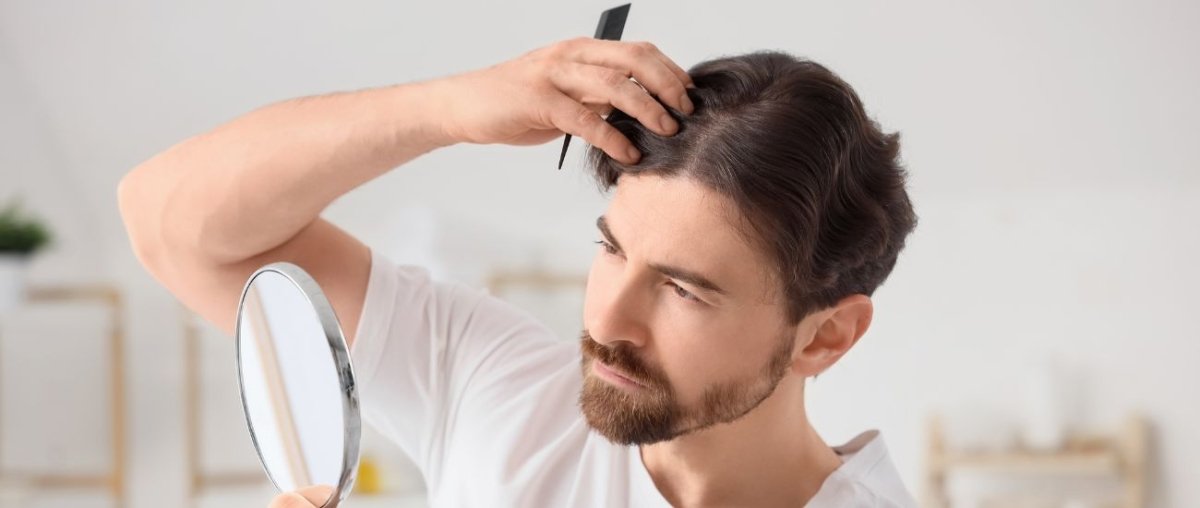
Dry scalp can really drive you crazy. It itches, it feels tight, it flakes – and when it also looks like you've caused your own little snowstorm on your black sweater, most people give up. Usually, you don't really know why it's happening in the first place. And that's exactly why you're getting a helpful guide here that explains what's behind dry scalp, how to recognize it, what you can do about it, and which mistakes you should urgently avoid from now on.
In short:
-
Dry scalp is caused by a damaged skin barrier, external irritants, or internal factors.
-
Typical symptoms: itching, fine dry flakes, a feeling of tightness.
-
Mild shampoo and soothing care (oils, serums, aloe vera) help effectively.
-
Gentle routines: less heat, no harsh products, wash with lukewarm water.
-
In case of severe redness, pain, or thick plaques: consult a doctor.
Table of Contents
-
When scalp is considered dry
-
Causes: Why does dry scalp occur in the first place?
-
External influences: Temperature, styling & care mistakes
-
Internal influences: Deficiencies, stress & age
-
Special case: Dry scalp with red patches or oily hair
-
Dry scalp: What to do? – The most effective tips
-
Shampoo for dry scalp – what you really need to pay attention to
-
Oils, vitamins & serums – care that really works
-
Home remedies for dry scalp
-
How are dry scalp & hair loss connected?
-
Dry scalp in special groups: children & older people
-
Dry scalp is annoying – but completely treatable
-
FAQ
When scalp is considered dry
Dry scalp doesn't simply mean that the skin on your head has "too little moisture". It is usually a mix of missing lipids, a weakened skin barrier, and external influences that throw the scalp out of balance. Typical symptoms are …
… itching
… a feeling of tightness after washing
… small, dry flakes that look like mini-snow
… and sometimes also redness.
Particularly tricky: Many people confuse dry scalp with dandruff – but these are two completely different issues. With dry skin, the flakes are rather fine and dry, while real dandruff is usually greasy and sticks much more stubbornly. The earlier you recognize the symptoms, the faster you can counteract them.
Causes: Why does dry scalp occur in the first place?
Dryness on the head never happens without a reason, and usually, a whole cocktail of causes comes together. One of the main factors is external influences such as heater air, low temperatures, or blow-drying with very hot air. When the humidity drops, the scalp also loses moisture – logical, but extremely annoying. Then internal causes come into play: stress, hormonal fluctuations, too little sleep, and a deficiency of certain nutrients such as omega-3, vitamin D, or zinc. Age also plays a role, because over the years the scalp produces less sebum, making it drier and more sensitive. And then there are these interesting special cases, for example when you have very dry scalp but oily hair at the same time. This happens when the scalp is stressed and tries to compensate for the loss of moisture through excessive sebum production. Sounds paradoxical, but it's completely normal – let's go through the different causes in detail once more.
External influences: Temperature, styling & care mistakes
Winter is for your scalp roughly what a desert vacation without a water bottle would be for your skin. Cold air outside and dry heater air inside completely throw the skin barrier off balance. In addition, styling mistakes such as blow-drying too hot, straightening directly at the roots, or using harsh shampoos with sulfates that simply wash away the scalp's natural oils. Even washing your hair too often can destroy the balance, because the scalp is constantly trying to regenerate – and ends up even drier.
Internal influences: Deficiencies, stress & age
The inside also plays a huge role. If you are constantly stressed, sleep poorly, or don't eat a balanced diet, your scalp shows it immediately. Too few essential fatty acids, Vitamins or minerals – this can weaken the skin barrier. This becomes especially visible with age, because the sebaceous glands produce less and the scalp dries out faster as a result. Hormonal fluctuations, e.g., due to your cycle, pregnancy, or menopause, can also cause your scalp to suddenly react completely differently than before.
Special case: Dry scalp with red patches or oily hair
If your scalp looks dry and oily at the same time, you are absolutely not alone. This often happens when the skin is actually dry but produces too much sebum to compensate. Red patches, on the other hand, can be an indication that your scalp is irritated or slightly inflamed – for example due to the wrong products, stress, or an overly aggressive routine. If the redness is severe or painful, you should have a doctor check whether it might be eczema or a mild form of psoriasis.
The most effective tips against extremely dry scalp
The good news: dryness can usually be managed really well. The most important immediate measure is to avoid everything that dries out the skin – so very hot showers, rubbing too hard with a towel, and shampoos whose ingredient list sounds more like car polish. Instead, use mild cleansers that respect the skin barrier. A regular scalp massage helps stimulate blood circulation and get the natural oil production going. Active ingredients such as aloe vera, panthenol, hyaluronic acid, or urea have also proven themselves because they provide moisture and have a soothing effect. The more consistent you are, the faster you will notice a change.
Shampoo for dry scalp – what you really need to pay attention to
If your scalp is dry, the wrong shampoo will be an absolute disaster. Many anti-dandruff shampoos are formulated far too strongly and dry out the skin even more – especially those with strong antibacterial active ingredients. Instead, you should look for shampoos that cleanse gently and contain soothing ingredients. It is also important: A shampoo does not have to solve the entire care problem. The scalp sometimes needs additional care that goes beyond pure cleansing. This means: A mild shampoo is the foundation, but the real magic happens through oils, Serums or leave-in care.
Oils, vitamins & serums – care that really works
One of the most effective methods against dryness is high-quality oils – especially those that absorb quickly, strengthen the skin barrier, and at the same time care for the hair roots. Which oil is best for dry scalp? The Imperio Rosemary Hair Oil, for example, is perfect because it not only nourishes, but also soothes the scalp while stimulating blood circulation. In addition, vitamins can help if your scalp has become unbalanced due to a nutrient deficiency. Many underestimate how important the right care is for the skin. Serums, on the other hand, act like a little intensive treatment that you can apply directly to the roots a few times a week. Together, this creates all-round care that strengthens your scalp in the long term and prevents dryness.
Home remedies for dry scalp
No desire to spend a lot of money or have too many products standing around in the bathroom – that you won't need in half a year at the latest? Then try out some little helpers that we all actually have in our cupboard. Home remedies have their charm – and some of them actually work. Coconut oil for dry scalp is, for example, a classic that can actually help because it supports the skin barrier and has an antimicrobial effect. Olive oil, however, is rather heavy and can clog the pores – so please use sparingly. Aloe vera, on the other hand, is perfect for sensitive scalp because it cools, soothes, and provides moisture. But: Some DIY hacks like lemon juice, baking powder, or vinegar are completely unsuitable and can severely irritate the skin. If you use home remedies, definitely test them carefully and observe how your scalp reacts.
How are dry scalp & hair loss connected?
Dry scalp can actually cause hair loss, even if many people don't know it. If the skin barrier is damaged, small inflammations can occur that weaken the hair follicles. Constant scratching due to itching only makes it worse. But you can manage this well with the right care. A well-moisturized, soothed scalp is always the best foundation for strong and healthy hair growth, so the care is worth it twice over.
Dry scalp in old age & in children
Children often have extremely sensitive skin; therefore, even mild shampoos can lead to dryness. Here the rule is: Wash less, use mild products, and absolutely nothing harsh. In older people, dry scalp is almost normal, on the other hand, because sebum production decreases with age. Here, a consistent care routine becomes particularly important to prevent feelings of tightness and flaking.
Dry scalp is annoying – but completely treatable
Dry scalp can drive you crazy, but there are really good ways to get it back under control. With the right products, a little patience, and a gentle routine, you can soothe the scalp and strengthen it in the long term. And if you combine your care cleverly – for example, mild shampoo plus oil plus vitamins –, you will notice how quickly your scalp regenerates.
But even though dry scalp is usually harmless, there are situations in which a doctor's visit makes sense. For example, if the scalp hurts, is severely red, weeps, bleeds, or you notice large flaky patches. This can be an indication of seborrheic dermatitis, neurodermatitis, or psoriasis. If you are unsure, have it checked out, because the earlier you get the right diagnosis, the faster you will get the right treatment.