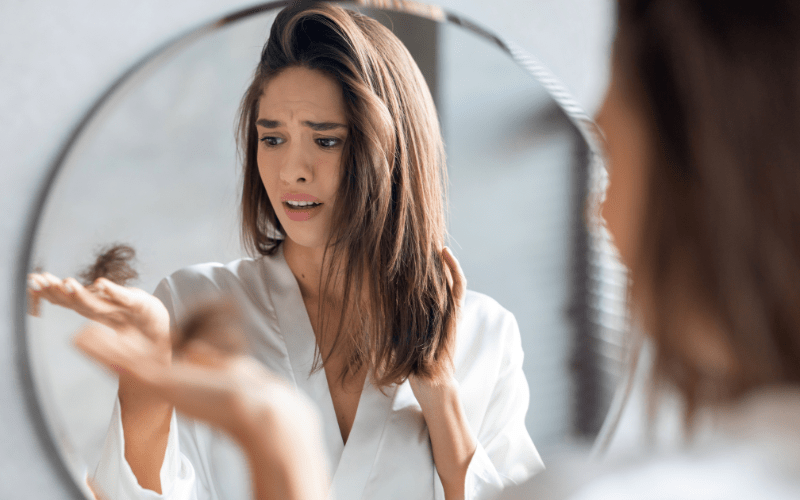
The pandemic is over, but hair loss remains - this is what many people are experiencing now in the aftermath of the COVID-19 pandemic. The effects of COVID-19 on the human body are multifaceted and extend beyond the well-known respiratory problems. Many affected people report unexpected long-term consequences, including the distressing issue of hair loss.
The COVID-19 pandemic has affected our lives in many ways, from social isolation to changes in our daily habits. One of the less discussed but nevertheless significant phenomena that has emerged in connection with the pandemic is hair loss. Many people around the world have reported experiencing increased hair loss during or after a COVID-19 infection.
In this blog post, we will explore the causes of hair loss after a COVID-19 infection and highlight possible measures, such as specific dietary supplements and cosmetic solutions, that can help eliminate this nuisance.
Hair loss from COVID-19 - is that even possible?
Hair loss associated with COVID-19 is a distressing example of how the pandemic has impacted many people's lives. Although this can be a distressing experience for many people, it is important to know that in most cases, hair loss is temporary and can improve with the right care and treatment. We have the best tips & tricks to help you get such problems under control again!
Hair loss, also known as alopecia, is a widespread problem that can have many causes - including genetic predisposition, stress, poor diet, hormonal changes, or illness-related factors such as chemotherapy. Some people have also experienced a noticeable increase in hair loss during the COVID-19 pandemic - including those who had never had to deal with the issue before. Hair loss can manifest in different ways. It can occur as diffuse hair loss (thinner hair across the entire head) or even as patchy hair loss (round bald patches on the scalp).
Several factors may contribute to the link between COVID-19 and hair loss:
-
Increased stress:
The pandemic has caused or exacerbated stress and anxiety in many people. Whether due to loneliness or the uncertainty that accompanied many people during the pandemic, it is not easy for those affected to escape this stressful situation even after the pandemic and get back to their normal daily lives. Stress-induced hair loss, also known as telogen effluvium, can occur when stress causes the body to send more hair into the resting phase, which is eventually shed. This results in overall thinning of the hair.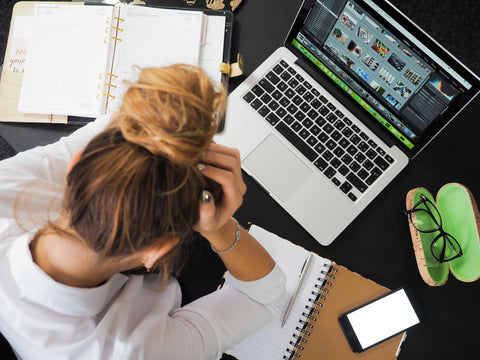
-
Illness and fever:
A COVID-19 infection has caused fever and respiratory illnesses in most people, which can also contribute to temporary hair loss due to hormonal fluctuations.
-
Malnutrition:
Some people may have neglected their diet during the pandemic, which must have led to a deficiency in important nutrients such as iron and vitamin D. A nutrient deficiency is one of the biggest triggers that can promote hair loss.
-
Medications:
Taking medications to treat COVID-19 or co-existing illnesses can also lead to hair loss, as the active ingredients enter the hair roots through the bloodstream during the growth phase and can inhibit hair growth there.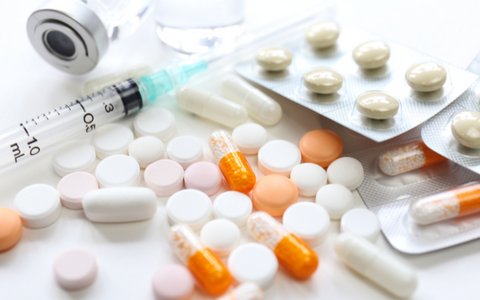
What can those affected do now about hair loss after COVID?
If you have experienced hair loss in connection with COVID-19, you should first consult a doctor or dermatologist to determine the exact cause and receive appropriate treatment. In most cases, hair loss is temporary and can improve on its own once the underlying problems are treated.
Here are some valuable steps that those affected can take:
- Diet: Make sure to eat a balanced diet rich in vitamins and minerals, especially iron, zinc, and vitamin D. Dietary supplements are particularly helpful here and easy to incorporate into everyday life. Our Haarvitamin+ provides you with all the important nutrients from within to boost your hair health.
-
Reduce stress: Try to reduce stress by practicing various relaxation techniques such as meditation, yoga, or breathing exercises.
- Hair care: Use gentle care products and make sure to take good care of your hair. The IMPERIO Rosemary+ Hair Oil can help you care for your scalp with high-quality botanicals and stimulate hair growth through its carefully balanced combination of plant-based ingredients. > Click here for the hair oil <
The connection between diet and hair health
A balanced diet plays a crucial role in the health of your skin, nails, and hair. The right dietary supplement could be key to combating hair loss after COVID-19. Here are some important nutrients associated with hair health:
B vitamins: Biotin (vitamin B7) is particularly well known for its role in promoting hair health. The active ingredient contributes to the normal metabolism of macronutrients and helps maintain normal hair and skin.
Copper: Contributes to normal hair pigmentation and helps protect cells from oxidative stress. It also helps maintain normal hair and nails.
Folic acid: Plays an important role in cell division. A folic acid deficiency can lead to hair loss, so an adequate supply of this mineral is important.
Zinc: Contributes to the maintenance of normal hair, skin, and nails and can improve hair structure.
The solution: Highly effective dietary supplements with the innovative active ingredient AnaGain™
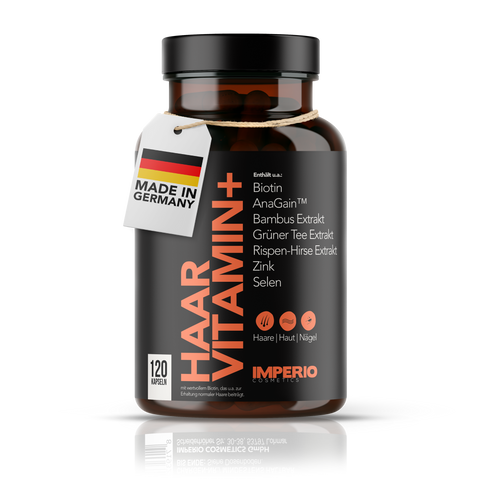
What makes our Haarvitamin+ hair capsules special is their laboratory-tested formula with the powerful active ingredient AnaGain™. The hair capsules are available in a convenient capsule form and contain important nutrients such as vitamin C, zinc, iron, copper, vitamin B6, vitamin B12, folic acid, selenium, and biotin. In addition to these vitamins and the highly concentrated active ingredient AnaGain™, the capsules are also enriched with a high dose of plant-based nutrients such as bamboo extract, green tea extract, and broomcorn millet extract. Everything you need to replenish your nutrient stores! Taking them daily helps extend the hair cycle and boost the vitality of the hair structure again.
It has been scientifically proven that the active ingredient AnaGain™ resulted in a statistically significant reduction in hair loss of 34% after one month and 37% after two months. 95% of the participants reported a clearly noticeable improvement in their hair situation after 8 weeks. Hair density and hair strength were also significantly improved.
AnaGain™ is included in many dietary supplements that are usually taken as capsules, making them easy to incorporate into your daily routine - just like our Haarvitamin+ capsules. Taking the capsules daily over an extended period is intended to achieve the best results.
Dietary supplements can be a practical option for meeting the nutrient requirements for hair health. However, consult a doctor before taking them to ensure that possible interactions with other medications are avoided.
> Click here for the Haarvitamin+ dietary supplement <
Hair fibers as a temporary solution to conceal thinning areas?
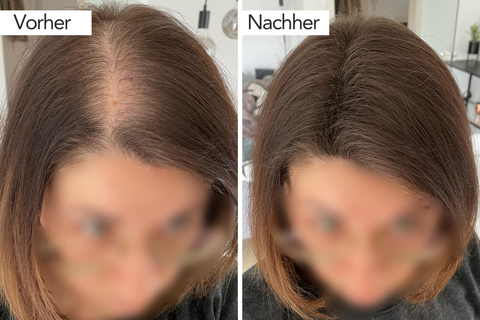
For many people facing hair loss, the idea of having hair as full as it was before the pandemic still seems very far away. They have to face thinning areas and a bald scalp every day. This can take a real toll on their energy and enjoyment of life! To conceal thinning areas during treatment, hair fibers appear to be the best and fastest temporary solution. They consist of fine, color-matched cotton fibers that are sprinkled on the scalp to visually thicken thinning hair.
In summary, hair loss after a COVID-19 infection is one of the most common side effects of the virus. Significant hair loss is a challenge that many people experience unexpectedly. While scientists are still working to understand the exact causes, the measures mentioned above can help promote hair health, while cosmetic solutions can provide temporary relief in the meantime.