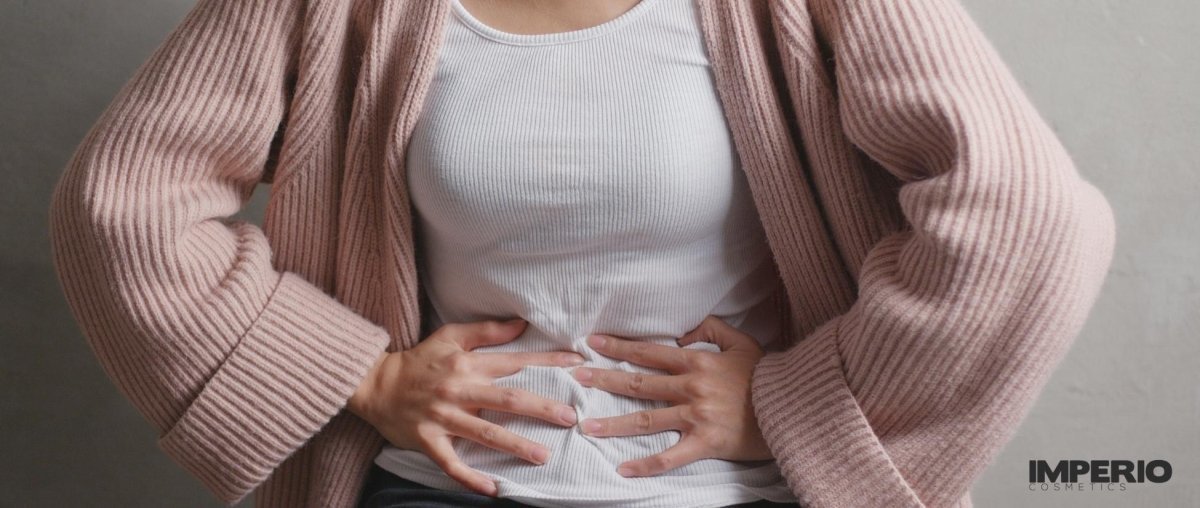
Have you noticed that your hair follows a mysterious routine? For example, Bad Hair Days usually occur at the same time every month. Your hair simply gets greasy faster than usual, for no apparent reason.
Coincidence? No! You probably already suspect it: Your cycle affects not only your skin but also your hair. This is due to fluctuations in estrogen levels and the sex hormone testosterone, which directly affect your scalp and hair growth.
Furthermore, menstruation poses a real risk to your hair and can even cause hair loss. You will learn how to prevent this in time in today's post.
Your cycle is a gift!
Many women would probably prefer to do without their monthly period. But instead of viewing your period as a nuisance that you just have to endure, you can also see it as an opportunity.
Women often have a more sensitive awareness of their bodies than men because they have learned to feel, observe, and interpret their body's signals throughout the course of the menstrual cycle.

For example, many women know exactly when they ovulate without having to check their cycle calendar . Because they know their bodies and know how it feels.
That is why women are also usually more likely to notice when something is wrong. A little self-love helps you to deal positively with your period, get to know yourself better, and preserve your health.
Furthermore, menstruation helps your body get rid of toxins and waste. Men do not have this health-promoting outlet.
If your cycle did not exist, you would not exist, and no one would have been able to write this article. It is an expression of your personal superpower: to bring new life into the world. So get out of the embarrassment zone and embrace body positivity!

What your cycle does to your hair
The menstrual cycle consists of four phases:
Follicular phase
In the ovaries, estrogen production is stimulated. 20 to 25 follicles are prepared, but ultimately only one matures. This follicle contains an egg cell.
Due to the rising estrogen level, your hair shines and blemishes heal. If you tend to have dry hair, you should pamper it now with conditioner and (preferably homemade) hair treatments, because the body's natural oil production is rather low during this phase.
Ovulation
The follicle releases the egg cell, which is then transported through the fallopian tubes to the cervix. If it is fertilized, it implants in the uterine lining. The estrogen level is now very high, while the concentration of testosterone in the blood is particularly low.
During this phase, your skin and hair glow, and your energy level is also relatively high. During ovulation, women are said to be particularly attractive and alluring to men – it is logical that Mother Nature wants to matchmake us right now, because during ovulation, women reach the peak of their fertility.
Luteal phase
The follicle becomes the corpus luteum and produces the hormone progesterone as well as, in smaller quantities, estrogen. If the egg cell has not been fertilized within 10 to 12 days, the corpus luteum dies. This causes the estrogen concentration to drop abruptly. The supply of testosterone increases again.
Just before your period starts, you therefore have relatively little estrogen but a lot of testosterone in your blood. Your skin's sebaceous glands are therefore working at full speed: clogged pores, blemishes, and greasy hair are the consequences. Your hair also grows more slowly during this phase.
With proven home remedies such as apple cider vinegar or nettle water, you can give your hair additional shine and bounce.
Menstruation
Throughout the cycle, the speed at which your hair grows fluctuates. But can menstruation also cause hair loss?
Yes! Because monthly blood loss promotes iron deficiency and causes hormonal stress, diffuse hair loss can become more noticeable.
Fortunately, there are two simple tricks that can help:
Replenish iron stores
You can prevent hair loss due to iron deficiency by eating iron-rich foods. These include legumes, pumpkin seeds, red bell pepper, chard, spinach, and organ meats, especially liver and heart.
As a supplement when needed, you can use iron juice, which is available at pharmacies and drugstores.
Supplements containing a combination of iron, vitamin C, and biotin can also help. However, you should consult your family doctor before taking them.
Relax!
Especially while you have your period, you should not force yourself to do anything. Allow yourself more rest and plenty of sleep. If you want to distract yourself from PMS symptoms, pick up a good book again or watch the next episode of a series. Soothing herbal teas, relaxing music, a long hot bath, or simply a cozy date with your hot water bottle on the sofa – treat yourself to whatever makes you feel good.
This way, your body can recover more quickly, unwanted stress hormones are reduced, and you avoid additional hair loss due to stress.